
As an Amazon Associate, I earn from qualifying purchases. That means I earn commissions from my sponsored links or I make money when readers (you) purchase items through my links. Your purchase allows me to continue working as a stay-at-home dad who moonlights as a farmer and a musician. Needless to say, this post contains affiliate links.
Happy Birthday, Domz!
This one is for you, pare.
The guy who took the bass and made it sing. Check him out on Spotify!
Listen to Domz on Spotify →
I started out on bass guitar… not out of passion, but out of necessity. No one wanted to lift that heavy thing, so I ended up being the guy.
Eventually though I transitioned to guitar because my best friend Domz wanted to explore what he could get out of a bass.
He went from lead guitars to bass and it was a great idea. His basslines are very musical… they don’t just sit in the background. There’s a story in his basslines
Lately I’ve been feeling this pull to go back to playing bass.
I don’t know why exactly.
Maybe it’s nostalgia.
Maybe it’s because I’ve been watching Domz play and thinking… I miss that low end rumble under my fingers.
Anyway, here are four bass guitars I’d love to own right now if money wasn’t a thing (it is, but let’s dream).
· · ·
The Four Basses on My List
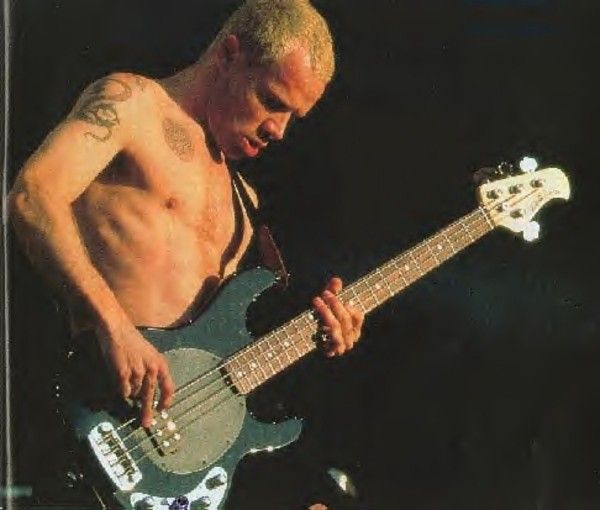
Ernie Ball Music Man StingRay
This one… I think anyone who’s ever been serious about bass has looked at a StingRay and felt something.
It was first introduced in 1976 and was actually the first production four-string bass to feature on-board active equalization.
That was a big deal.
Still is..
The StingRay’s design hasn’t changed much since then… and that’s a good thing.
Same solid roadworthy construction, same massive hardened steel bridge, that iconic oval pickguard, the 3+1 tuning key configuration, and the ever-popular Music Man humbucker.
It is what it is, and what it is, is legendary.
Notable players include Tony Levin, and Tim Commerford of Rage Against the Machine, and there was a time that Flea was really into this… very musical bassists, which tells you something about what this instrument brings out in people.
| Introduced | 1976 |
| Notable Feature | First 4-string with on-board active EQ |
| Pickup | Music Man humbucker |
| Made In | San Luis Obispo, California (since 1984) |
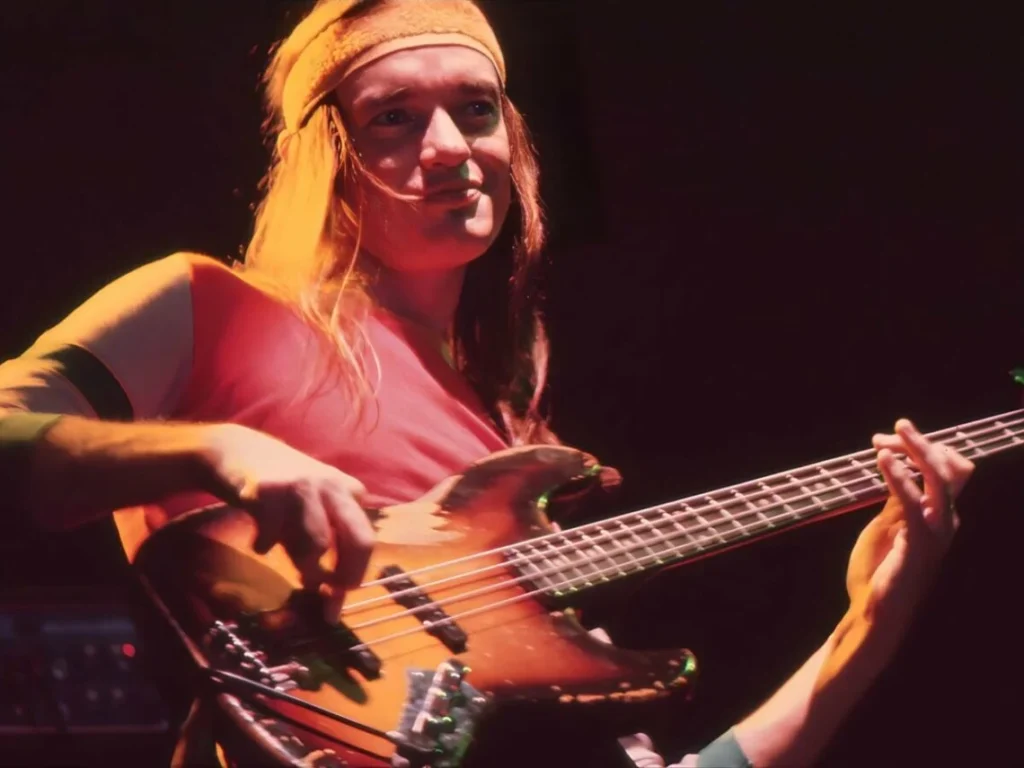
Fender American Professional Classic Jazz Bass
The Jazz Bass… sigh.
I already had one that Billy Sheehan signed. But because we suffered the building we were living in burning down, I lost that bass.
But this new version, the American Professional Classic, is something else entirely. Fender describes it on their site as “all the soul of a golden-era Fender, evolved for today’s player.” That’s a good line. They mean it too.
The Jazz Bass itself was first introduced in 1960… and was designed to appeal to jazz musicians with its narrower, more rounded neck compared to the Precision Bass.
It has two single-coil pickups and a tone that’s brighter and richer in the midrange… which is why it became foundational across so many geners.
Funk.
Disco.
Reggae.
Rock.
Jazz fusion.
You name it.
This particular version features Coastline ’62 Jazz Bass pickups that are slightly overwound for added warmth and punch, paired with a Modern “C” neck profile and period-correct “lollipop” tuners that look as good as they sound.
| First Introduced | 1960 (original Jazz Bass) |
| Pickups | Coastline ’62 single-coil (slightly overwound) |
| Neck | Modern “C” profile, 9.5″ radius, medium jumbo frets |
| Tone System | Greasebucket Tone System (preserves low end) |
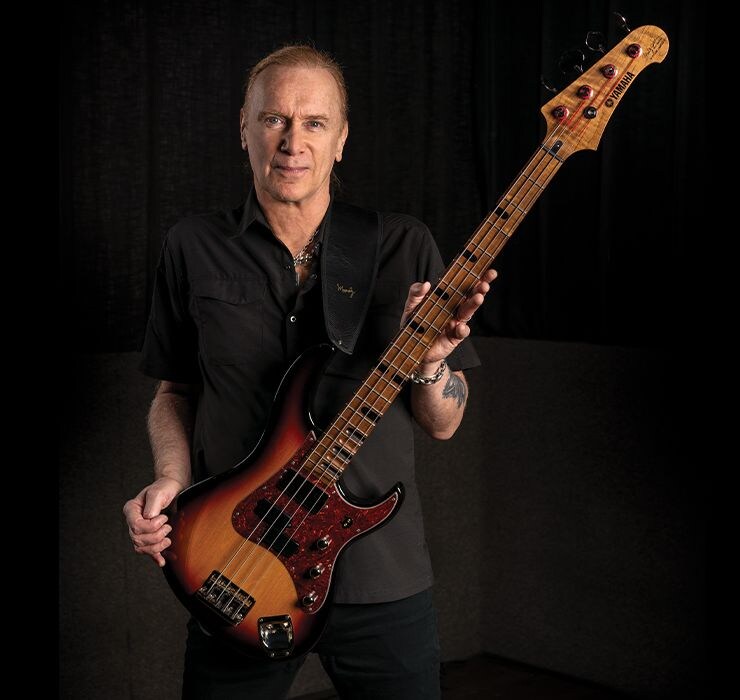
Yamaha Attitude 30th Anniversary Bass
Okay so… Billy Sheehan. I told you he signed my Jazz Bass.
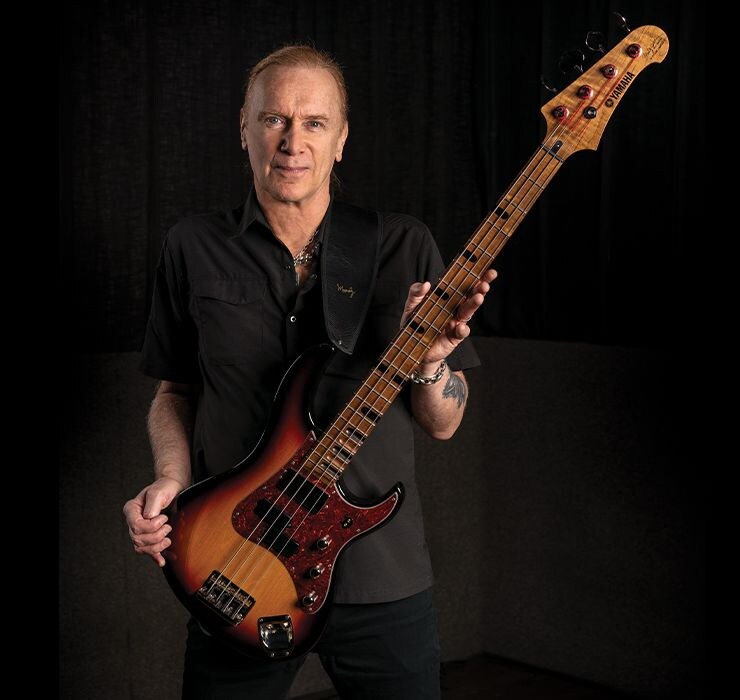
This bass right here is his signature instrument, and it’s one of the most unique things Yamaha has ever made. The Attitude 30th celebrates 30 years of the Attitude series, and it is inspired by Sheehan’s original heavily customized bass that he called “The Wife.”
Why “The Wife”?
Because, as Yamaha’s own site explains, during his early career he and that bass were basically inseparable.
People would knock on his door and he’d open it with the bass still on. “Don’t you ever put that thing down?” they’d ask.
His answer: “No, I don’t, actually.”
That is genuinely hilarious and also very relatable as a musician.
The Attitude 30th is limited to just 30 basses worldwide… each comes with a signed certificate of authenticity and a signed second pickguard.
It has scalloped frets on the higher positions (17-21), dual outputs (one for each pickup, which Billy runs into separate amps for his signature tonal split), and Yamaha’s special A.R.E. treatment on the wood that makes it respond like an instrument that’s been played for decades. Extraordinary.
| Pickups | DiMarzio Woofer + DiMarzio Will Power split pickup |
| Frets | Jumbo (1–16), Medium (17–21), scalloped under top 2 strings |
| Special Feature | Dual outputs, Hipshot D-tuner, miter neck joint |
| Limited Run | 30 basses worldwide |
Steinberger XT-25 Standard 5-String Bass
Steinberger basses were first introduced in 1979 by Ned Steinberger in Brooklyn, New York… and when they debuted at a NAMM show in 1980, pretty much everybody thought they were a joke.
But then bassist Andy West walked out on stage with one at a major event… and the next day the booth was completely mobbed.
The story of the StingRay is evolution.
The story of the Steinberger is revolution.
The XT-25 is a 5-string version and is what they call the “Ultimate Travel Bass.”
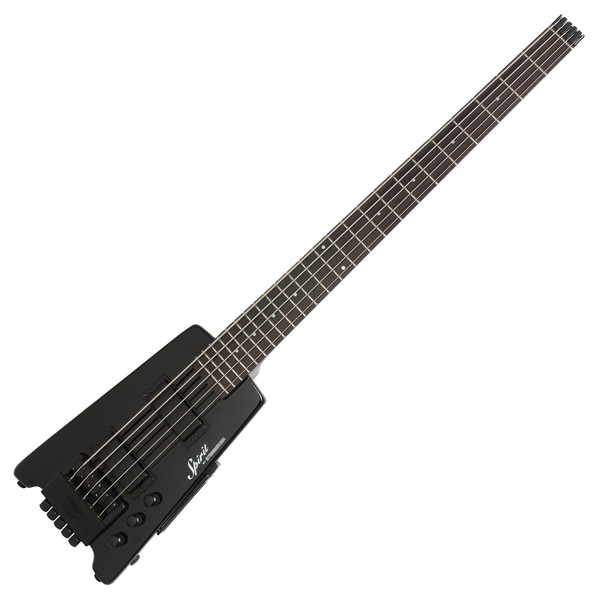
At only 38.5 inches long and 8.2 pounds, it fits in an overhead airline compartment. The tuning system is a patented 40:1 ratio Direct-Pull system at the bridge (no headstock means no headstock weight), which also means better balance in your hands.
The neck is a 3-piece hard maple that resonates like one solid piece. It is practical, tonally responsive, and honestly… for musicians in Davao who gig across the country and need to travel light, this thing is the solution.
| Design | Headless, no traditional body shape |
| Weight | 8.2 lbs · 38.5″ total length |
| Tuning | Patented 40:1 Direct-Pull at bridge |
| Pickups | Steinberger HB-1 (bridge) + HB-2 (neck) humbuckers |
A little side note
I wanna go back to playing bass. I don’t know why exactly… maybe it’s because writing this made me remember how it felt. That thump under your fingers. The way a good bassline makes everything else in the band make sense. Domz figured that out way before I did. Happy birthday, pare. You inspire me more than you know.
Pros and Cons of Owning a Bass Guitar
In case you’re on the fence… here’s a quick breakdown. Especially if you’re a guitarist in Davao thinking of doubling up on bass for gigs.
The Good
- Bass players are always in demand… seriously, always
- You become the rhythmic backbone of any band
- Easier to get gigs because fewer people play bass
- Playing bass makes you a better guitarist too, and vice versa
- That low-end groove is deeply satisfying to feel through your whole body
The Hard Parts
- The instrument is heavy… yes, still. That hasn’t changed much
- A good bass amp setup can be expensive
- Often overlooked in recordings and live sound… people don’t always notice what you do until you stop doing it
- Premium basses like these four are not cheap, especially here in the Philippines
- Double-ball-end strings for the Steinberger can be hard to find in Davao
Oks that’s it for today! Happy Birthday DOmz!












I recommend the affordable but reliable Ibanez gio soundgear bass 6 string GSR396. Which has a great tone for recording. Oh, it’s what I used in our band’s recordings. Hehe.